The Philosophy of Minimalist Travel
Understanding Minimalism in Travel
Minimalist travel is not just about reducing physical possessions; it’s a philosophy that encourages travelers to strip away the non-essential aspects of their journeys to focus on what truly matters. At its core, minimalist travel emphasizes the importance of experiences over material goods. It invites adventurers to embrace simplicity by prioritizing authentic experiences, meaningful connections, and a deeper understanding of the places they visit.
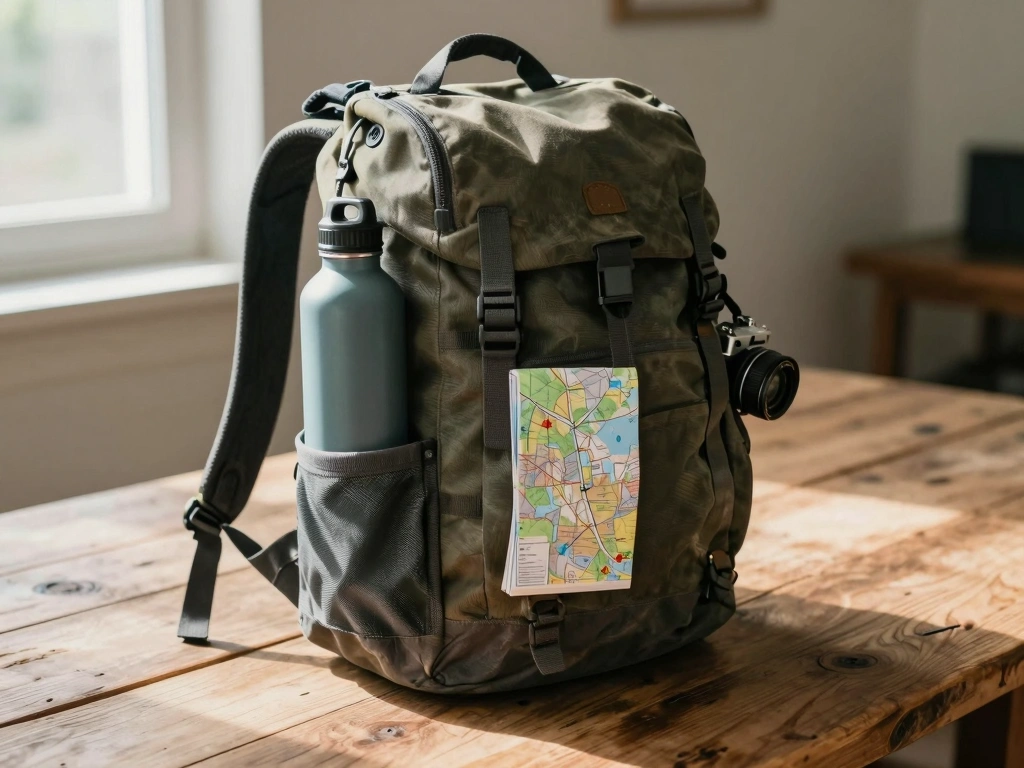
For many, this means carrying only what they need—often just a backpack or a small suitcase. This approach to travel can be liberating, allowing individuals to navigate new environments with ease and confidence. Minimalism in travel fosters a mindset that values quality over quantity, urging travelers to seek out genuine interactions, local cultures, and enriching experiences rather than accumulating souvenirs or ticking off items from a checklist.
Benefits of Traveling Light
Traveling light comes with a myriad of benefits, particularly for those who embrace the minimalist philosophy. Here are some key advantages:
- Flexibility: With fewer belongings, you can move quickly and adapt to spontaneous changes in plans, whether that's catching a last-minute flight or exploring a new city on a whim.
- Reduced Stress: The burden of managing excessive luggage can be overwhelming. Traveling with just the essentials allows for a more relaxed journey, freeing your mind to focus on exploration and enjoyment.
- Cost Savings: Many budget airlines charge for checked baggage. By traveling light, you can often save on these fees while also reducing the need for expensive storage solutions or luggage transport.
- Environmental Impact: Minimalist travel encourages a smaller carbon footprint. Fewer items mean less waste and a more sustainable approach to travel.
How Minimalism Enhances Travel Experiences
When you strip away the distractions of excessive belongings and complicated itineraries, your travel experiences can become richer and more fulfilling. A minimalist approach encourages deeper engagement with the local culture and environment. Here’s how:
- Mindfulness: With fewer distractions, you can immerse yourself in the moment, savoring the sights, sounds, and tastes of your surroundings.
- Meaningful Connections: Traveling with less can lead to more interactions with locals. Without the barrier of excessive luggage, you might find it easier to connect with others and share stories and experiences.
- Focus on Experience: By prioritizing experiences over possessions, you may discover hidden gems and unique opportunities that you would have otherwise overlooked.
Planning Your Minimalist Journey
Choosing Destinations that Embrace Minimalism
When planning a minimalist journey, select destinations that align with your values of simplicity and authenticity. Here are some suggestions:
- Japan: Known for its unique blend of tradition and modernity, Japan offers a plethora of minimalist experiences, from serene temples to minimalist accommodations like capsule hotels.
- Scandinavia: Countries like Sweden and Denmark emphasize simplicity in design and lifestyle, with stunning landscapes and a focus on sustainable living.
- Portugal: With its rich culture and history, Portugal offers budget-friendly travel options, allowing you to immerse yourself in local experiences without overspending.
Creating a Simplified Itinerary
To embrace minimalism in your travel plans, create a simplified itinerary that focuses on fewer destinations and deeper experiences. Here’s how:
- Limit Stops: Instead of trying to see everything, choose a few places that truly resonate with you and spend more time exploring them.
- Prioritize Activities: Focus on activities that align with your interests and values, such as local workshops, nature hikes, or community events, rather than tourist traps.
- Stay Flexible: Allow room for spontaneity in your itinerary. Embrace the unexpected and leave time for unplanned adventures.
Budgeting for Minimalist Travel
Budgeting is a crucial aspect of minimalist travel. Here are some tips to help you manage your finances effectively:
- Set a Daily Budget: Determine a daily budget based on your overall trip length and expenses. For example, if you have $1,000 for a 10-day trip, aim to spend no more than $100 per day.
- Track Your Expenses: Use budgeting apps like Mint or YNAB (You Need A Budget) to keep track of your spending and adjust your plans as necessary.
- Look for Free Activities: Research free or low-cost activities in your destination, such as walking tours, public parks, and museums with free admission days.
Packing Essentials for Minimalist Travelers
Identifying Must-Have Items
Packing efficiently is a cornerstone of minimalist travel. Identify a core set of must-have items that will serve multiple purposes. Consider the following essentials:
- Travel-sized toiletries: Opt for refillable containers to minimize waste.
- Multi-use gadgets: A Swiss Army knife can serve as a tool for various tasks, from opening bottles to cutting food.
- Portable charger: Keep your devices powered without needing multiple chargers for different gadgets.
Utilizing Versatile Clothing
When packing clothing, choose versatile pieces that can be mixed and matched. For instance:
- Neutral-colored tops: These can be paired with various bottoms for different looks.
- Quick-dry fabrics: Ideal for washing on the go—just wash and wear again in no time.
- Layering options: Include a light jacket or sweater that can be worn over several outfits, suitable for varying climates.
Efficient Packing Techniques
Maximize space and minimize wrinkles with these packing techniques:
- Rolling Clothes: Roll your clothing instead of folding it to save space and reduce creases.
- Packing Cubes: Use packing cubes to organize your items, making it easier to find what you need without unpacking everything.
- Wear Bulky Items: If you have heavy shoes or jackets, wear them during travel instead of packing them.
Finding Affordable Accommodations with a Minimalist Mindset
Staying in Hostels and Shared Spaces
Hostels are a staple for budget travelers and are often designed with a minimalist ethos. Here are some benefits of choosing hostels:
- Community Atmosphere: Hostels often facilitate social interactions, allowing you to meet fellow travelers and share experiences.
- Amenity Access: Many hostels provide communal kitchens, which can help you save on dining costs by preparing your meals.
- Cost-Effective: Prices can range from $10 to $50 per night, depending on the location, making them an economical choice.
Embracing Alternative Lodging Options
Consider alternative accommodation options that align with minimalist principles:
- Couchsurfing: This platform connects travelers with locals who offer free places to stay, promoting cultural exchange and community.
- Airbnb: Look for budget rooms or shared spaces that provide a local experience without breaking the bank.
- Camping: If you’re an outdoor enthusiast, camping can be a minimalist way to connect with nature while keeping costs low.
Using Technology to Find Budget Stays
Leverage technology to find affordable accommodations. Here are some useful tools:
- Booking.com: Use this platform to compare prices and book budget-friendly stays.
- Hostelworld: A dedicated site for finding hostels with user reviews and ratings.
- Google Maps: Utilize Google Maps to discover nearby accommodations and read reviews to ensure they meet your standards.
Experiencing Local Cultures on a Budget
Engaging with Community Events
Immerse yourself in the local culture by participating in community events. Here are some ideas:
- Festivals: Check local calendars for free or low-cost festivals celebrating local traditions, arts, and cuisine.
- Workshops: Many towns offer workshops on crafts, cooking, or dance—often at little to no cost.
- Volunteering: Look for opportunities to volunteer in exchange for accommodation or meals while connecting with locals.
Eating Local: Affordable and Authentic Cuisine
Food is a significant part of any culture, and experiencing local cuisine can be done on a budget:
- Street Food: Explore food stalls and markets where you can try authentic dishes at a fraction of restaurant prices.
- Supermarkets: Buy fresh produce, snacks, and ready-to-eat meals to save money while enjoying local flavors.
- Local Eateries: Seek out family-run restaurants or food trucks that offer affordable, homemade meals.
Exploring Nature and Free Attractions
One of the joys of travel is connecting with nature and discovering the beauty of your surroundings. Here are some tips for exploring on a budget:
- National Parks: Many national parks offer free entry days or low-cost admission. Hiking trails, scenic viewpoints, and natural wonders provide endless exploration opportunities.
- Local Markets: Visiting local markets can be a cultural experience in itself, offering free entertainment and a chance to interact with locals.
- Cultural Landmarks: Research free or donation-based museums and historical sites to enrich your travel experience without overspending.